

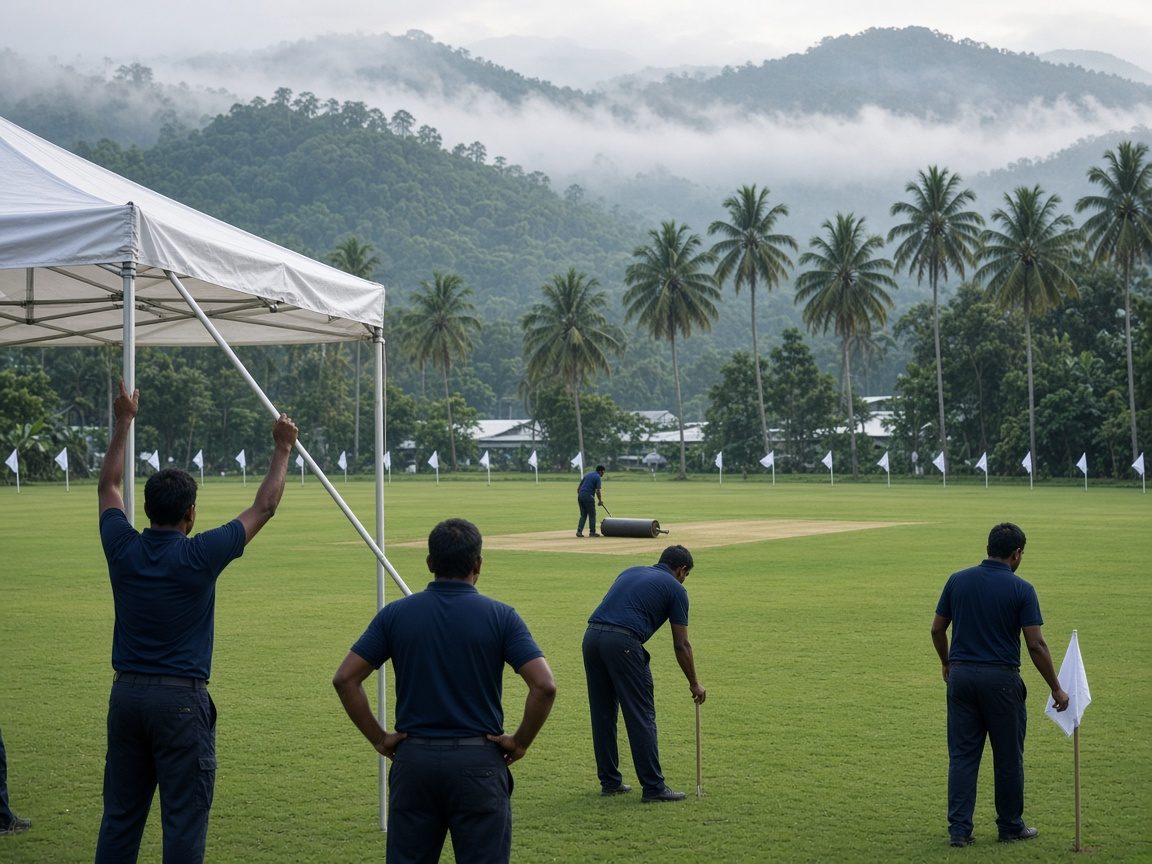
Cricket is everywhere in Sri Lanka. Office teams, old boys’ associations, clubs, villages and groups of friends all love a tournament, whether it is a one-day softball event or a hardball series spread over several weekends. A good tournament feels effortless for the players, but it takes careful planning behind the scenes. This guide walks through the main steps to organise a cricket tournament in Sri Lanka, from the first idea to the final presentation.
1. Decide the format
Start with the basics, because everything else depends on them.
- Ball type. Softball (tennis ball) cricket is fast, inclusive and popular for corporate and community events. Hardball suits clubs and experienced players but needs more safety equipment and qualified officials.
- Overs per side. Six, eight or ten overs per side keep a one-day tournament moving. Longer formats need more days or more grounds.
- Team size. Six, eight or eleven players per side. Smaller teams make a tournament easier to fill and faster to play.
- Structure. Groups followed by knockouts work well for most events. A straight knockout is quicker but means some teams only play once.
Write the playing conditions down early: overs, bowling restrictions, wides and no-balls, tie-breakers and what happens if rain shortens a match. Share them with every team before the day.
2. Work out how many teams and grounds you need
The number of teams, the match length and the number of grounds decide how long the tournament takes. As a rough rule, add the playing time of each match to a changeover buffer of ten to fifteen minutes and multiply by the number of matches per ground. If the numbers do not fit into daylight hours, add a ground, shorten the matches or spread the tournament over two days.
3. Book the venue
Look for grounds with a good outfield, a reliable pitch, changing rooms, toilets, shade for players and spectators, parking and space for a scoring tent. School and club grounds are common choices, but many are busy at weekends, so book early. Ask about:
- Booking times, including setup and pack-down.
- Rules on sound systems, food stalls and vehicles on the ground.
- Power, water and first aid facilities.
- What happens if it rains, and whether a cancellation or rescheduling policy applies.
4. Build the fixture schedule
A clear schedule keeps teams happy. Publish group draws, match times, ground numbers and the knockout path in advance. Allow rest between matches for teams that play twice in a row, and keep a little spare time in the afternoon for delays. Share the schedule in a WhatsApp group with team captains so updates reach everyone quickly.
5. Arrange officials and scoring
Fair umpiring is what players remember most. For hardball tournaments, look for qualified umpires. For softball events, experienced umpires who know the local rules are just as important. Decide how you will score each match, using paper scoresheets, a scoring app or both, and who will update the points table and announce results.
6. Plan safety and medical cover
Arrange a first aid point with a trained first aider for every tournament, and know the route to the nearest hospital. In hot weather, provide shaded areas and plenty of drinking water, and remind teams to stay hydrated. For hardball cricket, make sure protective equipment such as helmets and pads is used.
7. Think about the extras
The extras turn a set of matches into an event:
- Sound and commentary. A PA system and an MC keep spectators engaged, announce results and call teams for upcoming matches.
- Food and drinks. Arrange catering or food stalls, and plan lunch timings so they do not delay matches.
- Branding. Banners, team flags and sponsor boards look great in photos.
- Photos and video. Capture the action and the presentation for social media.
- Awards. Trophies for the winners and runners-up, plus individual awards such as best batter, best bowler and player of the tournament.
8. Run the day
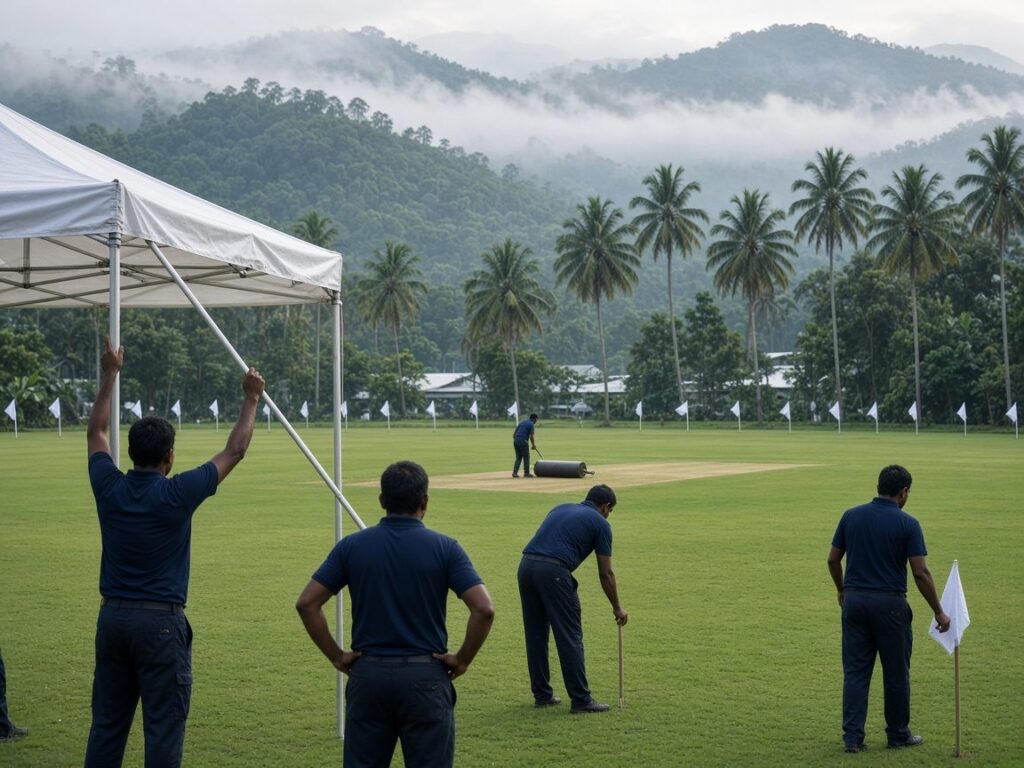
On the day, set up early. Mark boundaries, put up tents and test sound before teams arrive. Hold a short captains’ meeting to confirm rules and timings. Keep one person in charge of the schedule, one on scoring and results, and one handling problems such as delays, injuries or disputes. Finish with a presentation ceremony while everyone is still at the ground.
9. After the tournament
Share results, photos and thanks with teams and sponsors. Note what went well and what could be better next time, especially timing and logistics. Many tournaments become annual events, and good notes make next year much easier.
Common mistakes to avoid
- Trying to fit too many matches into one day.
- Leaving the playing conditions vague until the morning of the tournament.
- Forgetting shade, water and first aid.
- No plan for rain.
- One person trying to run everything alone.
Need help organising your tournament?
Archaize plans and runs cricket tournaments across Sri Lanka, from softball corporate events to club hardball series. We can handle the venue, fixtures, officials coordination, scoring, sound, catering coordination and awards, or support you with just the parts you need. Read more about our cricket tournament management and wider sports event management, or contact us for a free quote.